
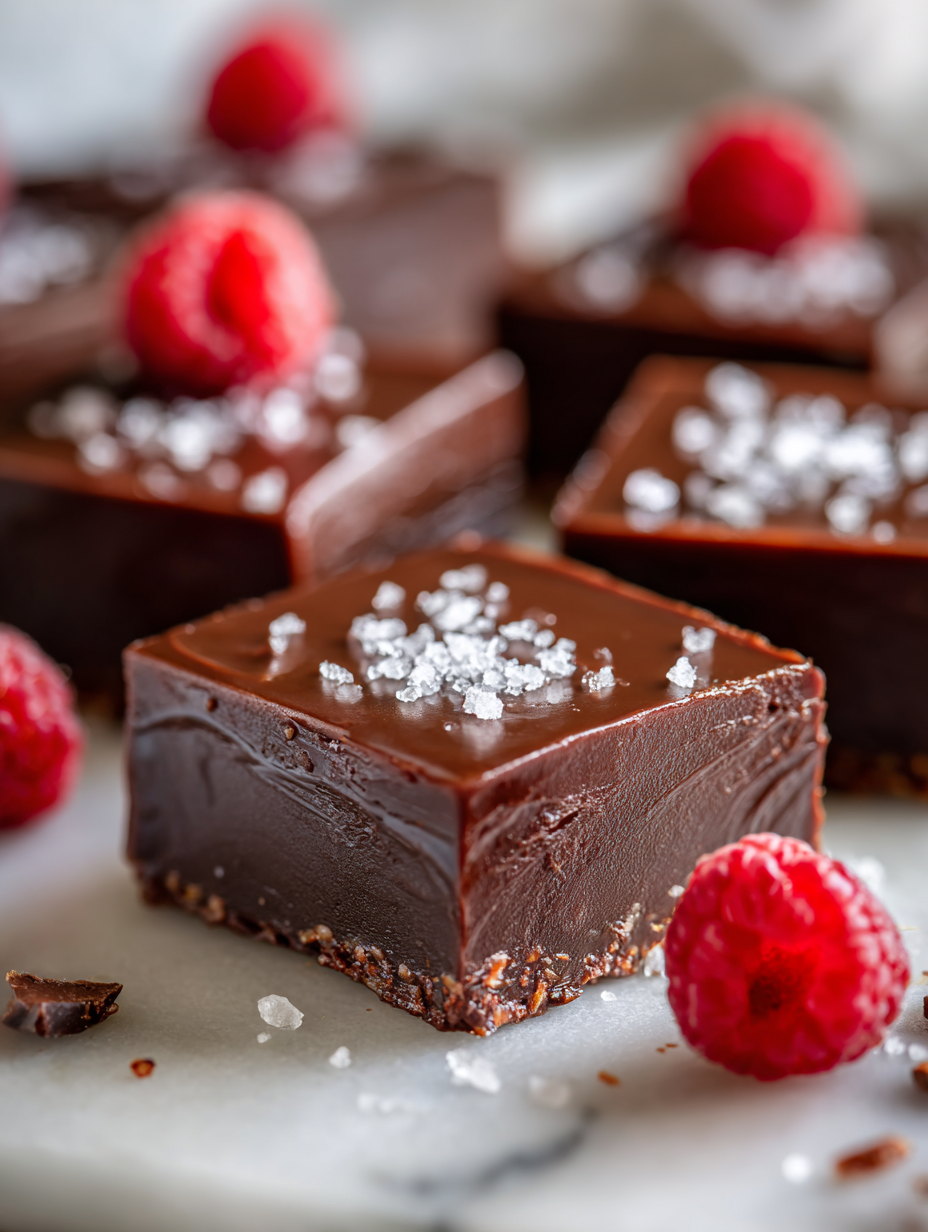
Imagine biting into a slice and feeling the crunch of a buttery, nutty crust giving way to a rich, fudgy center. That’s what makes this chocolate peanut butter tart so addictive. It’s not just about the taste—it’s about the way each component plays with your senses, from the aroma of toasted peanuts to the glossy sheen on top.
The idea of combining chocolate and peanut butter isn’t new, but the way I like to build this tart is all about textures. I love the contrast of a crisp crust, a smooth, gooey filling, and a sprinkle of crunchy peanuts. It’s like a little symphony in every bite, honest, unpolished, and deeply satisfying.
This recipe explores the nostalgic comfort of classic flavors but focuses on the tactile joy of making a perfect crust and velvety filling, emphasizing the sensory experience of both baking and tasting.
Why this tart matters to me
- I love how this tart combines childhood favorites into a sophisticated treat.
- Every time I make it, I remember my grandma’s peanut butter cookies—simple, honest, addictive.
- Baking this feels like an act of love, messy but rewarding, especially when the smell fills the house.
My journey with this chocolate peanut butter tart
- This recipe was born out of a desire to combine two of my favorite flavors in a way that’s both accessible and indulgent.
- I experimented with different chocolates and peanut butters until I found the perfect balance of richness and nuttiness.
- It’s a dessert that feels a little nostalgic but also special enough for a celebration or a quiet weekend treat.
The story and trivia behind this tart
- Chocolate and peanut butter combos gained popularity in American candy bars in the 1960s.
- Using crushed biscuits for crust is a quick shortcut; traditional recipes might use pastry dough.
- Peanut butter became a staple in American households during the early 20th century, thanks to its long shelf life.
- The glossy top comes from a simple honey glaze, a trick to mimic professional pastry sheen.
Ingredient insights and tweaks
- Dark chocolate: I use 70% cocoa; it’s rich and melts smoothly. Swap with semi-sweet for milder flavor, but you’ll lose some depth.
- Peanut butter: Creamy, natural peanut butter works best; it blends seamlessly. Crunchy? Adds texture, but might make filling less smooth.
- Butter: Unsalted butter keeps the crust tender and flaky. Salted? Cut back on added salt in crust.
- Sugar: Granulated is standard; brown sugar adds a caramel note that pairs well. Cut back for less sweetness.
- Biscuits for crust: Use buttery digestives or graham crackers. Oat-based cookies add a rustic touch, but watch for added sugars.
Spotlight on Chocolate and Peanut Butter
Peanut Butter:
- Chocolate: The key to a glossy, rich filling—choose quality for best flavor and smooth melting.
- During melting, chocolate releases a deep, inviting aroma that hints at decadence.
- It should be silky and fluid when mixed, not grainy or lumpy.
Butter (for crust):
- Peanut butter: Adds a salty, nutty contrast that balances the sweetness.
- Look for natural peanut butters with oil on top—stir well for even texture.
- It should be oozy and fragrant, with a slight roasted aroma.
Ingredient swaps for different diets and tastes
- Dairy-Free: Use coconut oil or vegan butter for the crust; the flavor will be subtly different but still delicious.
- Sugar-Free: Swap with maple syrup or agave nectar, but watch the moisture levels.
- Gluten-Free: Use gluten-free biscuits or crushed graham crackers for the crust.
- Low-Sugar: Reduce sugar in the filling, but expect a less sweet, more bitter chocolate flavor.
- Nut-Free: Substitute with sunflower seed butter for a similar nutty taste, but it’s less rich.
Equipment & Tools
- Tart pan with removable bottom: Easy removal and neat edges
- Double boiler or heatproof bowl over simmering water: Gentle melting of chocolate
- Mixing bowls and spatula: Combine ingredients smoothly
- Measuring cups and spoons: Accurate ingredient measurement
Step-by-step guide to the perfect chocolate peanut butter tart
- Preheat oven to 180°C (355°F). Grease a 23cm tart pan with a removable bottom.
- Make the crust: Mix crushed biscuits with melted butter until crumbly. Press into the tart pan, firm and even.
- Bake crust for 10 minutes until lightly golden. Let cool slightly.
- Prepare the filling: Melt dark chocolate and butter together over a double boiler until smooth. Let cool.
- Stir in peanut butter and sugar until combined, then add eggs one at a time, mixing well.
- Pour filling into the cooled crust. Bake for 20 minutes until just set and slightly crackly on top.
- Remove from oven. Let cool at room temperature, then chill in fridge for at least 4 hours or overnight.
- Garnish with toasted peanuts and a drizzle of honey or melted chocolate before serving.
- Serve at room temperature or slightly warmed for the best flavor and texture.
Let the tart cool completely on a wire rack. After chilling, remove from pan carefully, then decorate and serve.
How to Know It’s Done
- Filling is shiny and slightly crackles on top after baking.
- Center jiggles slightly when gently shaken, but edges are firm.
- Probe the center with a toothpick; it should come out with moist crumbs, not wet batter.
Chocolate Peanut Butter Tart
Ingredients
Equipment
Method
- Preheat your oven to 180°C (355°F). Grease a tart pan with a removable bottom to ensure easy release later.
- Combine the crushed biscuits with melted butter in a bowl, mixing until the crumbs are evenly coated and hold together when pressed.
- Press this crumb mixture firmly into the bottom and up the sides of the tart pan, creating an even crust. Use the back of a spoon or your fingers to smooth the surface.
- Bake the crust for about 10 minutes until it turns a light golden color. Remove from the oven and let cool slightly on a cooling rack.
- Meanwhile, melt the dark chocolate with a little butter in a double boiler or heatproof bowl set over simmering water, stirring gently until smooth and glossy.
- Once melted, remove from heat and let it cool for a few minutes. Stir in the peanut butter and sugar until fully combined and smooth.
- Add the eggs one at a time to the chocolate mixture, mixing well after each addition. The filling should become thick and shiny.
- Pour the rich filling into the cooled crust, smoothing the top with a spatula for an even surface.
- Bake the tart for about 20 minutes until the filling is just set, with a slight crackle on top. The edges should be firm but the center still slightly jiggly.
- Allow the tart to cool at room temperature for 30 minutes, then refrigerate for at least 4 hours or overnight to let the filling firm up.
- Just before serving, sprinkle toasted peanuts over the top and drizzle with honey or melted chocolate for a shiny, attractive finish.
- Slice with a serrated knife, serve at room temperature or slightly warmed, and enjoy the luscious contrast of textures and flavors in every bite!
Notes
Expert tips for a flawless tart
- TEXTURE: Use room temperature ingredients for a smooth, cohesive filling.
- FLAVOR: Toast the peanuts lightly to boost their nuttiness before garnishing.
- TECHNIQUE: Melt chocolate gently over a double boiler to prevent burning.
- TACTIC: Chill the crust before adding filling for a crisper base.
- TIP: Use a serrated knife to cut the tart cleanly without smashing the crust.
Common pitfalls and how to dodge them
- FORGOT to chill the crust? Pop it in the freezer for 10 minutes before filling.
- DUMPED the filling in hot? Let it cool slightly to avoid cracks.
- OVER-TORCHED the edges of the crust? Cover with foil and reduce oven temperature for the next batch.
- UNDERRATED the chilling time? Patience ensures the filling firms up and slices cleanly.
Fast fixes for common baking blunders
- When filling cracks, gently reheat and smooth with a spatula.
- Splash a little hot water on the crust edges if they crack during removal.
- Patch small cracks with a dab of melted chocolate.
- Shield burnt edges with foil if they darken too quickly.
- Rescue sticky crust by chilling it for 10 minutes before pressing again.
Make-ahead tips and storage secrets
- Crust can be made and pressed into the pan a day ahead. Keep wrapped in plastic.
- Filling can be prepared a day in advance; keep refrigerated and covered.
- The tart keeps well for up to 3 days in the fridge, but flavor peaks within 24 hours.
- Bring to room temperature before serving for optimal flavor and texture.
10 Practical Q&As About Making a Chocolate Peanut Butter Tart
1. Can I use milk chocolate instead of dark?
Use a good quality dark chocolate for the filling; it melts smoothly and has rich flavor.
2. Should I refrigerate the crust before baking?
Keep the crust chilled before baking; it helps it stay crisp and crumbly.
3. Can I use crunchy peanut butter?
Peanut butter with a natural, oily texture works best; it blends easily and adds flavor depth.
4. How do I know when the filling is done?
Bake the tart until the filling is just set and slightly crackly on top, about 20 minutes at 180°C.
5. Is overnight chilling necessary?
Chill the tart for at least 4 hours, preferably overnight, so flavors meld and filling firms up.
6. Can I make this in a pie dish?
Use a tart pan with a removable bottom for easy serving and neat edges.
7. Should I toast the peanuts before topping?
Toast the peanuts lightly for garnish; it enhances their flavor and adds a smoky touch.
8. Can I skip the glaze?
For a shinier finish, brush the top with a quick warm honey glaze.
9. Can I serve it cold from the fridge?
Serve slightly warm or at room temperature; the flavors are most vibrant then.
10. How long will it keep?
Store leftovers in an airtight container in the fridge for up to 3 days.
This tart isn’t just a dessert; it’s a small act of comfort that feels right for any season. It’s perfect for sharing but also good enough to keep all to yourself. The deep chocolate, the salty crunch, and that lingering peanut flavor—each bite is a reminder that simple ingredients, treated well, turn into something memorable.
Making this tart is about embracing the messy joy of baking. No perfection needed, just honest effort and a moment to enjoy the process. Sometimes, it’s the imperfect, slightly cracked edges that make a dessert feel truly homemade.

Hi, I’m Ava Bennett. Welcome to Glowing With Pride. I’m Ava Bennett, a professional chef, recipe developer, and lifelong believer that food is one of the most powerful ways we express love, identity, and joy. This space was created from years of working in professional kitchens, countless late nights behind the line, and a deep desire to share food in a way that feels personal, proud, and purposeful. Cooking has never just been my career. It has been my language.
Leave a Reply